



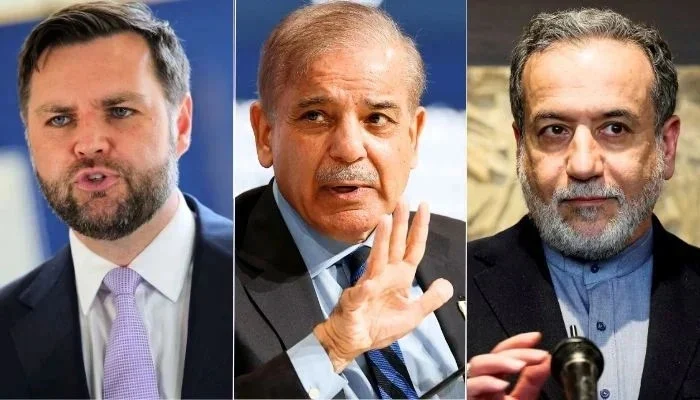
Pakistan’s growing role as a mediator in the tensions between the United States and Iran has placed it at the center of global diplomacy. This has led many to describe the country as an emerging “middle power.” However, beneath this recognition lies a more complex and fragile reality.
In today’s shifting global order, where multilateralism is gaining importance, middle powers are increasingly seen as key players in conflict resolution. Pakistan’s ability to maintain relations with both Washington and Tehran has positioned it as a credible facilitator, especially during the ongoing crisis in the Middle East.
Yet, experts caution that diplomatic visibility alone does not define a middle power. Economic strength, political stability, and institutional resilience are equally critical. While Pakistan’s geostrategic importance and nuclear capability enhance its influence, internal challenges continue to undermine its global standing.
Recent economic shocks highlight this vulnerability. The withdrawal of financial support by the United Arab Emirates and subsequent reliance on assistance from Saudi Arabia exposed the country’s fragile economic base. At the same time rising militancy and tensions along the border with Afghanistan have added to security concerns.
Historically, Pakistan has often gained international attention during major global conflicts from the Soviet-Afghan War to the post-September 11 attacks era. However, such involvement has frequently diverted focus from domestic reforms leaving long-term economic and political challenges unresolved.
There is also growing debate over Pakistan’s potential role as a “net security provider” in the region. Analysts warn that such ambitions could overstretch the country’s capabilities and entangle it in further regional conflicts particularly at a time when internal stability remains uncertain.
Moreover, as a net importer of energy, Pakistan is highly vulnerable to the economic fallout of ongoing regional tensions. Rising global oil prices are driving inflation and increasing financial pressure on households pushing more people toward poverty.
While Pakistan’s diplomatic efforts in easing tensions deserve recognition overestimating this success could be counterproductive. Global praise should not distract from urgent domestic priorities, especially economic reform and governance.
Ultimately, achieving true middle power status requires more than strategic positioning. It demands sustained economic growth, political stability and long-term planning principles echoed in the famous advice of Deng Xiaoping: “Hide your strength and bide your time.”
Keywords:
Pakistan middle power, US Iran conflict mediation, Pakistan foreign policy, Middle East tensions, Pakistan economy crisis, UAE Saudi financial support Pakistan, Afghanistan border tensions, global diplomacy Pakistan, energy crisis Pakistan, Asian Burg Opinion Desk
Moanir Abi Hadi
Send your feedback via email info@asianburg.com