




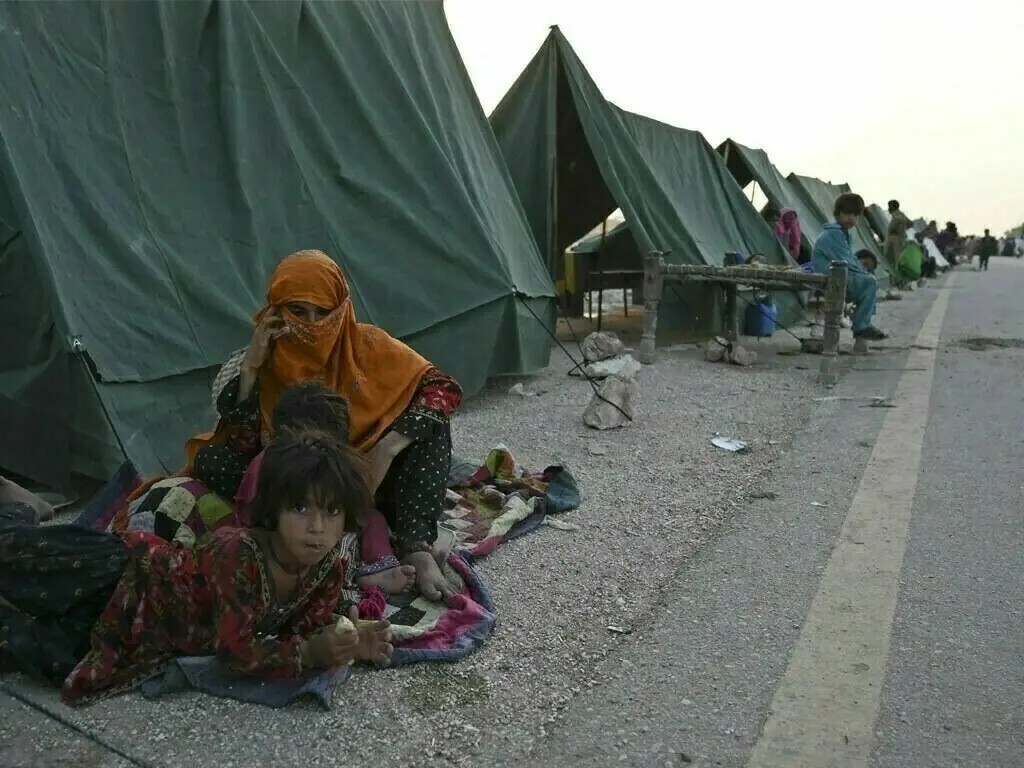
Seven years ago, Pakistan produced the most comprehensive assessment of its nutrition landscape. The findings were not just concerning, they were alarming enough to warrant urgent and sustained intervention.
Yet today, the children identified in that survey are no longer statistics. They are adolescents carrying the long-term consequences of a crisis that was measured, acknowledged and ultimately sidelined.
The core issue is not a lack of awareness. Pakistan’s policymakers have had access to detailed, district-level data outlining the scale, distribution and severity of malnutrition. The problem lies elsewhere in the persistent failure to translate evidence into financial commitment.
Budgetary choices reveal priorities more clearly than policy documents ever can. Despite repeated acknowledgments of malnutrition as a critical national issue, nutrition remains largely invisible within fiscal planning. It is embedded vaguely within broader sectors such as health and social protection, without a distinct allocation that can be tracked or evaluated.
This absence has consequences. When a problem does not exist as a defined budget line, it effectively does not exist within the accountability framework of governance. Without measurable spending, there can be no meaningful assessment of impact and without impact, there is no progress.
Meanwhile, the broader context has only worsened. Economic pressures, rising poverty levels and climate-related disruptions have intensified food insecurity across the country. For millions of households, access to a nutritionally adequate diet is no longer guaranteed making the risks identified years ago even more acute today.
The implications extend beyond public health. Malnutrition directly affects cognitive development, educational outcomes and long-term productivity. A generation that begins life with compromised nutrition carries those disadvantages into adulthood, limiting both individual potential and national economic growth.
This makes nutrition not merely a social concern but a foundational economic issue. Countries that have invested in early nutrition interventions have consistently seen substantial returns in terms of workforce productivity and reduced healthcare costs. Pakistan, by contrast, continues to absorb the economic losses associated with inaction.
There is also a governance paradox at play. Over the years, Pakistan has developed an extensive framework of strategies, action plans and international commitments related to nutrition. On paper, the architecture appears robust and comprehensive. In practice, however, it is undermined by weak coordination, limited institutional capacity and insufficient funding.
This disconnect between planning and implementation is perhaps the most significant barrier to progress. Without functional coordination mechanisms and clear financial backing, even the most well-designed strategies remain aspirational.
The path forward is not unclear. It requires, first and foremost, the formal recognition of nutrition as a distinct budgetary priority. Dedicated funding lines would not only improve transparency but also enable systematic tracking of progress.
Equally important is the need to strengthen institutional coordination. Effective implementation demands active oversight bodies, regular reporting mechanisms and clearly defined responsibilities across federal and provincial levels.
Finally, there must be a shift in how nutrition is framed within policy discourse. It should no longer be treated as a humanitarian concern but as a central pillar of economic development. The cost of inaction is not abstract; it is measurable in lost productivity, reduced human capital and diminished national potential.
The data has already been collected. The strategies have already been written. What remains missing is the political will to align resources with evidence.
The question is no longer whether Pakistan can address its nutrition crisis. It is whether it chooses to.
Keywords:
Pakistan malnutrition 2026
nutrition budget Pakistan
child stunting Pakistan
public health policy Pakistan
economic impact malnutrition
nutrition funding gap Pakistan
food insecurity Pakistan
climate change nutrition Pakistan
health budget analysis Pakistan
development policy Pakistan
Asian Burg | Pakistan / Health
Send your feedback via email info@asianburg.com