




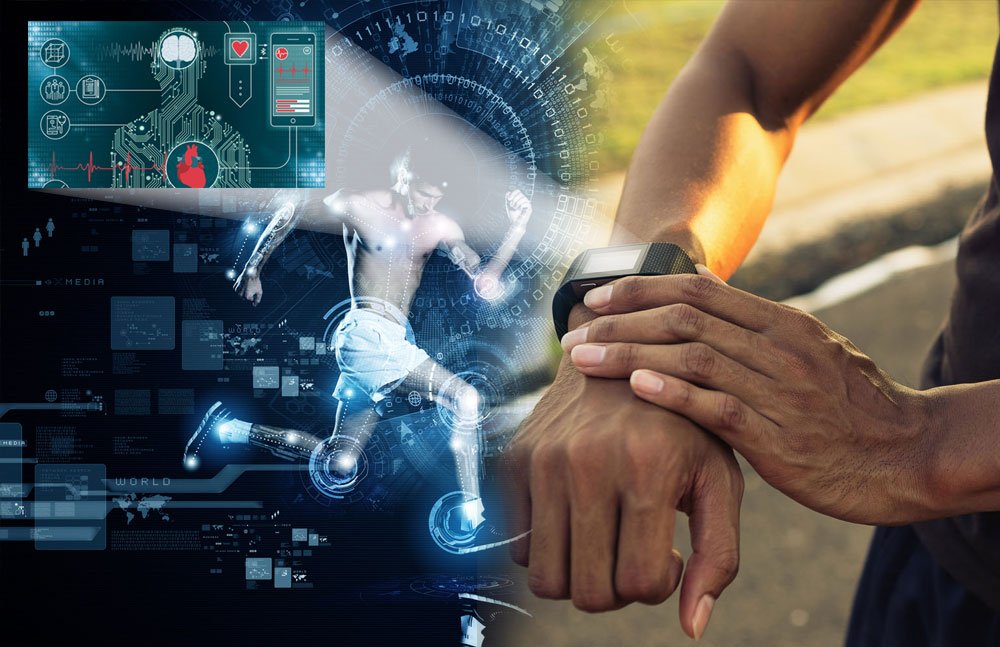
For years, fitness tracking has been built around a simple assumption: movement is measured in steps. But for millions of people around the world, that assumption has never reflected reality.
The growing push toward inclusive technology is beginning to challenge that limitation, as companies rethink how movement, health and activity should be measured for individuals with different physical abilities.
The issue is not a lack of motivation or activity. Many wheelchair users lead highly active lifestyles participating in sports, travel and daily routines that require significant physical effort. Yet traditional wearable devices often fail to capture this movement leaving users with incomplete or inaccurate data about their health.
This gap highlights a deeper problem within the design of modern technology. Most fitness algorithms have historically been built using data based on able-bodied individuals, making them less effective for those whose movement patterns differ. As a result, activities such as wheelchair propulsion, upper-body exertion and varied terrain navigation have remained largely invisible within standard tracking systems.
Recent developments, however, suggest a shift is underway. By studying real-life movement patterns and working directly with wheelchair users and athletes, technology developers are beginning to create systems that better reflect how different bodies move. Instead of counting steps, these systems measure push frequency, speed, distance and exertion offering a more accurate picture of physical activity.
The impact of this shift goes beyond data accuracy. Tracking movement plays a crucial psychological role, encouraging individuals to stay active and build healthier habits. When users can see their effort reflected meaningfully, it reinforces motivation and creates a sense of recognition that has long been missing.
This recognition is particularly important in a world where disability is often overlooked in mainstream innovation. Inclusive fitness tracking represents more than a technical upgrade; it signals a broader acknowledgment that all forms of movement matter and deserve to be measured.
At a global level, the need for such innovation is significant. Tens of millions of people rely on wheelchairs, and for many, access to accurate health data can support independence, improve well-being and encourage a more active lifestyle.
At the same time, the development of inclusive technology raises important questions about the future of design. It challenges companies to move beyond one-size-fits-all solutions and consider diversity as a fundamental part of innovation rather than an afterthought.
Ultimately, the evolution of fitness tracking reflects a larger trend within technology itself. As digital tools become more integrated into daily life their value will increasingly depend on how well they serve all users not just the majority.
Inclusive design is no longer optional. It is becoming the standard by which meaningful innovation is judged.
Keywords:
wheelchair fitness tracking
accessible wearable technology
inclusive health tech
fitness tracking innovation
disability technology solutions
smartwatch wheelchair mode
health data accessibility
adaptive fitness devices
digital health inclusion
future of wearable technology
Asian Burg |Technology / Health
Send your feedback via email info@asianburg.com