



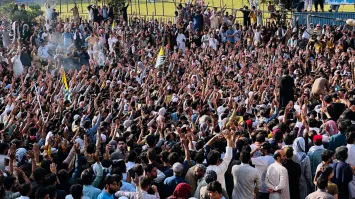
The issue of the 12 reserved refugee seats in the Legislative Assembly of Azad Jammu and Kashmir has once again become a major point of political discussion. As elections approach, differing political groups continue to clash over whether these seats should remain part of the current electoral system or be reformed. The controversy has sparked wider debate about representation, historical justice and democratic structure in the region.
The 12 refugee seats were established following the events of 1947, when widespread violence in Jammu and Kashmir forced thousands of families to migrate to Pakistan. Supporters of the system argue that refugees lost homes, livelihoods and family members during the conflict. They were resettled in various parts of Pakistan and the seats were created to ensure their political voice in the future of Kashmir. For many, these seats represent not just political representation but also historical acknowledgment of displacement.
In recent years, some political voices and activist groups have questioned the relevance of these reserved seats. Their main arguments include that representation should be limited to permanent residents of AJK, that the current structure may not reflect modern democratic principles and that electoral reforms are needed to ensure fair and equal representation. These groups believe that all changes should be made through constitutional and parliamentary processes rather than public pressure or protest movements.
On the other hand, supporters of the 12 refugee seats argue that the seats are constitutionally established and legally protected. They emphasize that removing them would erase the political voice of displaced Kashmiris and weaken their connection to the Kashmir political process. According to them, any change must go through formal legislative procedures and cannot be imposed through external pressure.
From a legal and institutional perspective, previous rulings and legislative decisions have upheld the status of these seats. The refugee representation is considered part of the constitutional framework and any modification requires proper parliamentary approval. This reinforces the idea that the issue cannot be resolved through informal demands alone or political pressure campaigns.
The debate over these seats goes beyond administrative reform and reflects deeper political tensions within the region. It touches on identity, representation in Kashmiri politics, the legacy of 1947 displacement and competing visions of democracy and governance. As elections approach, the issue is expected to remain a key political talking point across the region.
The controversy surrounding the 12 refugee seats in Azad Jammu and Kashmir highlights a complex intersection of history, law and politics. While critics demand reform in the name of democratic fairness, supporters view the seats as essential to preserving historical representation. The final direction of this debate will depend on political consensus and constitutional processes in the coming years.
Keywords:
Azad Kashmir seats controversy, refugee representation AJK, Kashmir legislative assembly seats, 12 reserved seats Kashmir, AJK election politics, Jammu Kashmir refugee issue, political reform Azad Kashmir, Kashmir governance structure, 1947 refugee representation, Kashmir electoral system debate
Moanir Abi Hadi
About Author:
Moanir Abi Hadi is a media analyst and content strategist at Asian Burg, producing insightful work on geopolitics, digital infrastructure and social change. He can be reached at info@asianburg.com