




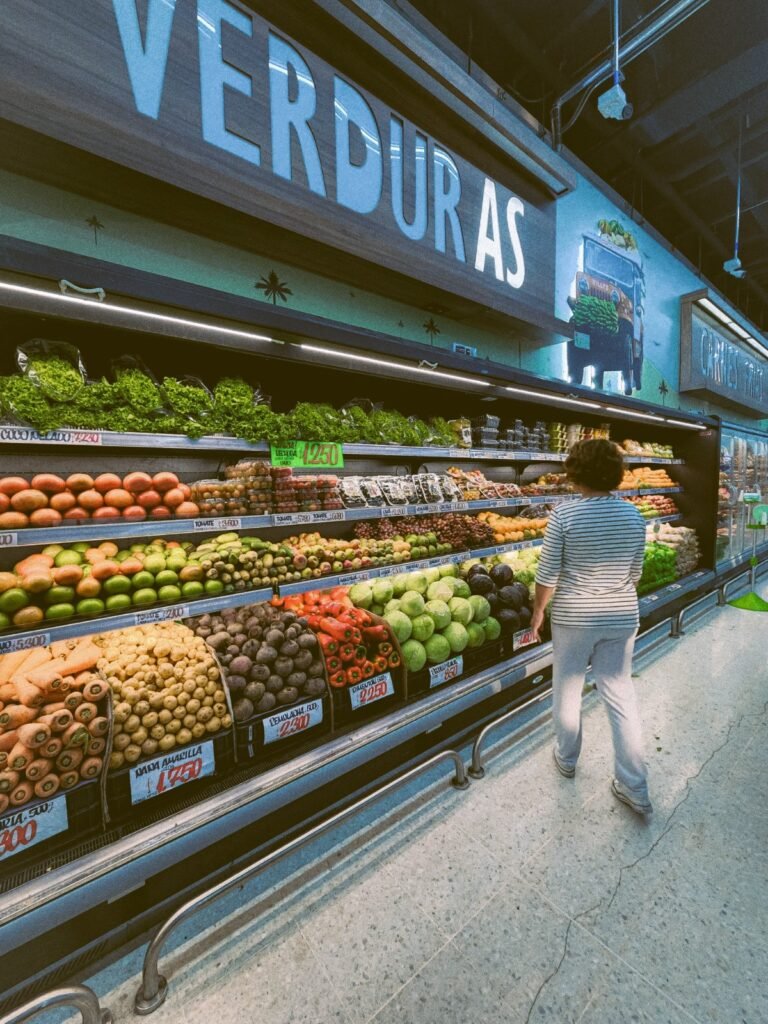
Foreign supermarkets are becoming an unexpected part of the modern travel experience. From Japanese convenience stores to European grocery aisles, travellers are increasingly visiting supermarkets not simply to buy food but to discover local products eating habits and everyday culture.
A supermarket may seem like an ordinary place but visiting one abroad can offer a different perspective on a destination. Instead of looking at famous monuments or tourist attractions, travellers can see what local people actually buy, eat and use in their daily lives.
In Tokyo, for example, visitors often stop at convenience stores for egg sandwiches, katsu curry buns, matcha-flavoured snacks and drinks from heated shelves. Similar experiences can be found in supermarkets across Europe and North America, where travellers search for unfamiliar snacks, drinks and ingredients that are difficult to find at home.
The growing interest in grocery shopping abroad is also reflected in travel research. Hilton’s 2026 Trends Report found that 77 per cent of travellers enjoy visiting grocery stores abroad, while Condé Nast Traveller identified grocery tourism as one of the major travel trends of 2026.
For many travellers, supermarkets offer an affordable alternative to expensive food tours and restaurants. A small budget can be enough to fill a basket with local snacks, unusual drinks and ingredients that provide a taste of the destination.
The popularity of the trend has also attracted the attention of the supermarket industry. K-Supermarket, one of Finland’s largest grocery chains, became the first supermarket chain to have branches officially listed as tourist attractions on Tripadvisor. Some of its stores offer distinctive features including rooftop beehives and specialised food selections.
Foreign supermarkets can also provide insights into local food culture. The products on the shelves are usually designed for local shoppers rather than tourists, which means visitors can discover what people commonly eat and how food is presented in different countries.
Breakfast products, dairy items, snacks, drinks and ready-made meals can all reveal differences between cultures. Even the layout of a supermarket can show how shopping habits vary from one country to another.
The experience can also affect how travellers perceive the food they buy. Researchers have found that surroundings and expectations can influence the way people experience taste. A snack eaten during a holiday may therefore become associated with the atmosphere of the destination.
This can help explain why a product discovered abroad may seem particularly memorable. The taste is combined with the sights, sounds and experiences of the trip, making an ordinary supermarket purchase part of a larger travel memory.
Another reason for the popularity of foreign supermarkets is that the basic shopping experience is familiar. Travellers generally know how to pick up a basket, browse shelves, choose products and pay at the checkout. This familiarity makes it easier to focus on the differences around them.
Visitors may encounter unfamiliar ingredients, unusual flavours, different packaging and products that are rarely available in their home countries. Shopping therefore becomes a way of experiencing local culture without following a formal tour.
However, the growing popularity of supermarket tourism can also create problems. In Kawaguchiko, Japan, a Lawson convenience store became famous because of its view of Mount Fuji. Large numbers of visitors began arriving to photograph the location, creating crowds and disruption in the area.
Authorities eventually introduced security measures, traffic barriers and a large screen to prevent visitors from gathering at the site.
The situation highlights one of the challenges of grocery tourism. Supermarkets attract travellers partly because they offer a glimpse of ordinary local life. When too many tourists arrive, that everyday atmosphere can disappear.
Despite this, foreign supermarkets are likely to remain an increasingly popular part of travel. They are affordable, accessible and offer visitors an opportunity to discover local food and shopping habits without following a traditional sightseeing itinerary.
From Japanese convenience stores to European grocery aisles, supermarkets are becoming more than places to buy food. For many travellers, they provide a simple way to experience how people live, eat and shop in another country.
As interest in authentic and affordable travel experiences continues to grow, the supermarket may become an increasingly familiar stop on the modern traveller’s itinerary.
Keywords: foreign supermarkets, grocery tourism, supermarket tourism, grocery shopping abroad, travel food experiences, shopping like a local, foreign food, supermarket travel, local food culture, travel trends 2026
Asian Burg / Travel / Food & Lifestyle