




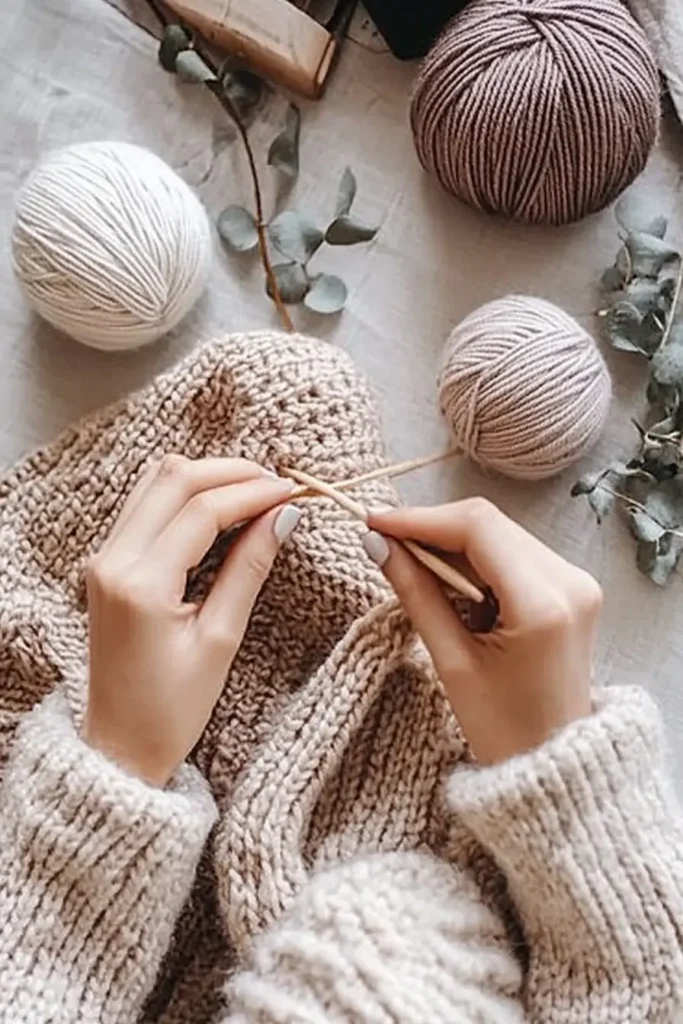
When people think about knitting, they often imagine their grandmothers sitting with yarn and needles, creating handmade sweaters or scarves. However, this traditional activity is experiencing a revival among younger generations. Today, many people are turning to knitting and crochet not only as creative hobbies but also as ways to support their mental well-being.
Experts and researchers suggest that repetitive activities like knitting and crochet may have calming effects on the brain. These hobbies can help manage stress, improve focus and provide a healthier alternative to certain negative habits.
From Grandmothers’ Hobby to Modern Wellness Practice
Knitting and crochet are no longer viewed as activities limited to older generations. Many young people, artists and even celebrities have embraced these crafts because of their relaxing and rewarding nature.
The simple process of moving yarn through repeated patterns creates a sense of focus and mindfulness. Instead of constantly checking phones, worrying about problems or engaging in unhealthy behaviors, people can channel their attention into creating something meaningful.
How Knitting May Help Mental Health
Research into creative activities suggests that knitting and similar crafts may support emotional regulation. The repeated hand movements involved in knitting can create a calming rhythm that helps the body move from a stressed state toward relaxation.
Some researchers believe these repetitive movements may activate the parasympathetic nervous system the system responsible for helping the body recover after stress or anxiety.
By focusing on a simple task, the mind may become less occupied with negative thoughts allowing feelings of tension and worry to decrease.
Knitting as a Tool to Replace Negative Habits
One interesting aspect of knitting is its potential role as a habit replacement activity.
Many unwanted habits such as nail biting, excessive phone use or other repetitive behaviors are often connected to stress, boredom or emotional discomfort. Keeping the hands busy with knitting or crochet may reduce the urge to return to these habits.
Knitting can help in two ways:
- It provides a positive activity to replace an unhealthy behavior.
- It helps manage emotions that may trigger negative habits.
This approach is sometimes compared to habit replacement therapy, where a person replaces an unwanted habit with a healthier action.
*The Science Behind Repetitive Hand Movements*
Scientists have explored how repeated movements may influence the brain. Some researchers compare certain rhythmic activities, including knitting to techniques used in therapies such as Eye Movement Desensitization and Reprocessing (EMDR), a treatment approach often associated with trauma and anxiety management.
Although knitting is not a replacement for professional therapy, repetitive movements may create a calming effect by encouraging concentration and relaxation.
Early studies suggest that activities involving rhythm and coordination may influence brain areas linked with stress responses, including the amygdala and insula. These areas play important roles in processing emotions, fear and threats.
You Don’t Need to Be an Expert Knitter
A common misconception is that only skilled knitters can experience the benefits. In reality, beginners can also enjoy the relaxing effects of the activity.
You do not need to create complex designs or professional-quality products. Even simple knitting or crochet patterns can provide a sense of achievement and relaxation.
The key factor is the process itself the repeated movement of both hands, the focus required, and the creative experience.
A Creative Path Toward Better Well-Being
Knitting and crochet combine creativity, concentration, and physical activity in a simple form. They allow people to slow down, reduce screen time and create something with their own hands.
While more scientific research is needed before knitting can officially be considered a medical treatment, existing studies and personal experiences suggest that it may offer valuable mental health benefits.
Whether it is making a scarf, a blanket or a small handmade gift, knitting provides more than just a finished product it can offer moments of calm, focus and emotional balance.
In a world filled with constant stress and distractions, an old-fashioned hobby may become a modern tool for improving mental wellness.